
JEM Premier Coaching Insights
Ideas for leading where the work happens.
Writing on leadership, workplace culture, and practical ways to connect how people work with what teams need to accomplish.

Making Change Stick: What Leaders Do in Days 30, 60, and 90
A new practice usually starts well. The team agrees on a way of working, the first few weeks go smoothly, and everyone feels progress. Then attention moves, ...

Status Reports Leaders Read: Report Risks, Decisions, and Asks
A lot of status reporting is written once and read by almost nobody. The report lists activity: meetings held, tasks in progress, documents drafted. The read...

Fast or Careful? A Simple Way to Decide How Much Process a Decision Needs
Some leadership teams debate small choices for weeks. Others make large, hard-to-reverse commitments in a single meeting. Both patterns come from the same ga...

Sales Wants Speed, Operations Wants Control: Naming the Tradeoff Instead of Picking a Side
Some cross-functional friction is chronic. One function wants to move fast and say yes to customers. Another wants to protect quality, cost, or risk. Each le...
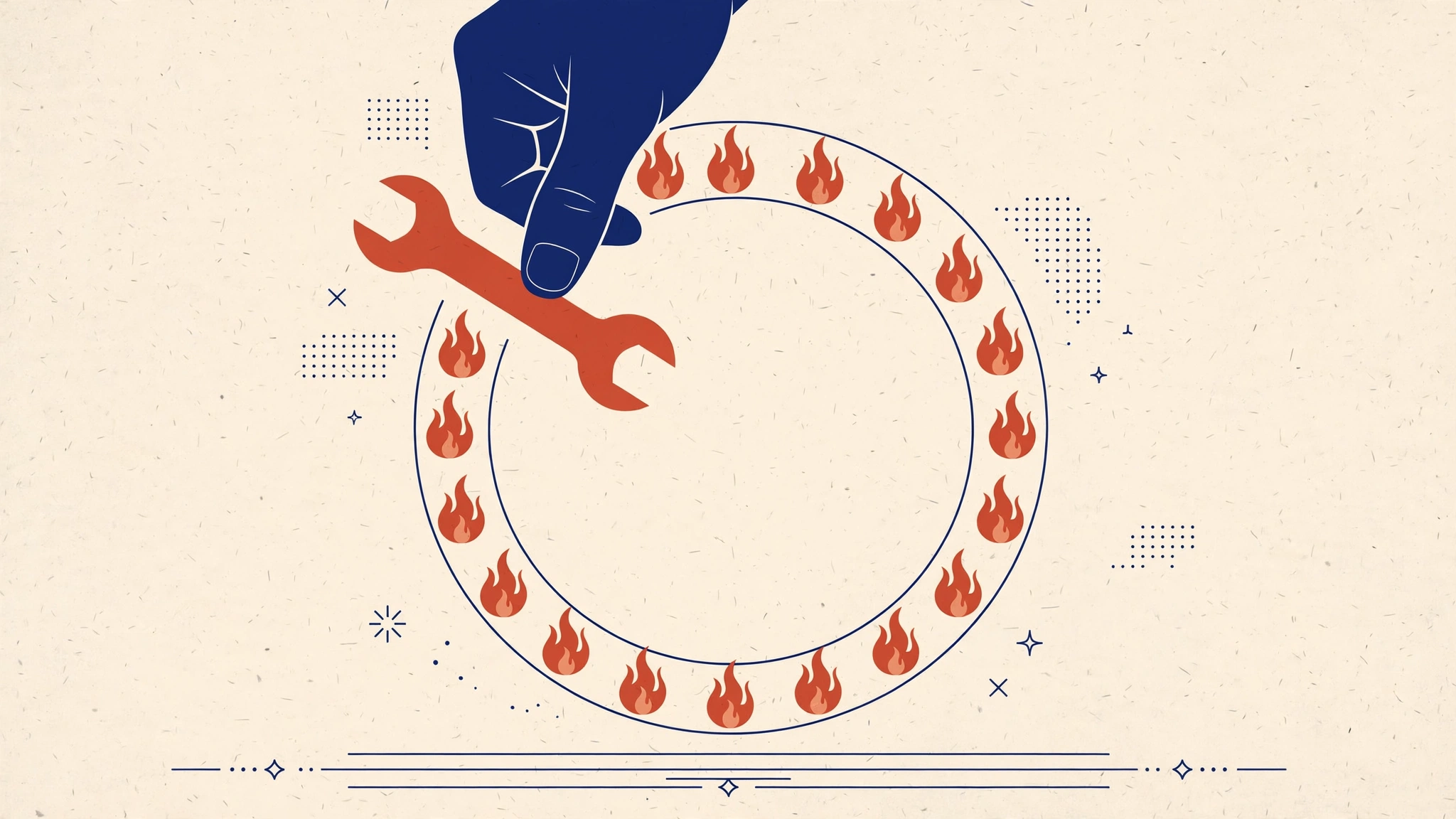
Recurring Fire Drills: Treat the Third Occurrence as a System Problem
Some urgent problems arrive once and are solved. Others come back: the same last-minute scramble before month end, the same escalation from the same customer...

Choosing Three Progress Indicators for One Live Business Priority
A team that works on a priority for several weeks needs a way to tell whether it is moving. Without one, the feeling of progress depends on mood, and leaders...

Virtual-First Teams: Keeping Commitments Visible When No One Shares a Room
In a shared office, a lot of coordination happens by accident. You see that a colleague looks stretched, overhear a decision, or notice a late delivery. In a...

New to a Team: Learn How Work Really Gets Done Before You Change It
A new leader arrives with ideas, energy, and often a mandate for change. The team watches closely, trying to read what the new person will do. The early week...

A Direct Conversation About Follow-Through: How to Prepare and Open
You have a colleague or direct report who regularly misses what they commit to. You have noticed it, others have noticed it, and you have been meaning to rai...

Change Fatigue or Priority Overload? How to Tell, and What to Do
Leaders often describe their teams as tired of change. People sigh at the announcement of another initiative, attendance at kickoffs drops, and follow-throug...

The Delegation Brief: Five Things to Say Before You Hand Off Work
A leader hands off a task in a two-minute conversation, and a week later receives something close to what they wanted but not quite. The leader reworks it, a...

Disagree Without Stalling: How Leadership Teams Argue and Still Decide
Some leadership teams avoid disagreement, and decisions arrive polished and shallow. Others argue endlessly, and decisions never arrive. The goal is a team t...

Leading Without Authority: How to Influence Peers in Cross-Functional Work
Cross-functional initiatives often put someone in charge of an outcome without authority over the people whose work determines it. Marketing depends on produ...

Communicating Upward: How to Bring Executives a Clear Ask
Executives read a great deal and decide quickly. A message that makes them work to find the point rarely gets the response its author wants. For emerging lea...

When Your Scope Grows: Deciding What You Still Own
A promotion, a reorganization, or a new initiative changes what you are responsible for. The calendar fills, the questions arrive from more directions, and t...
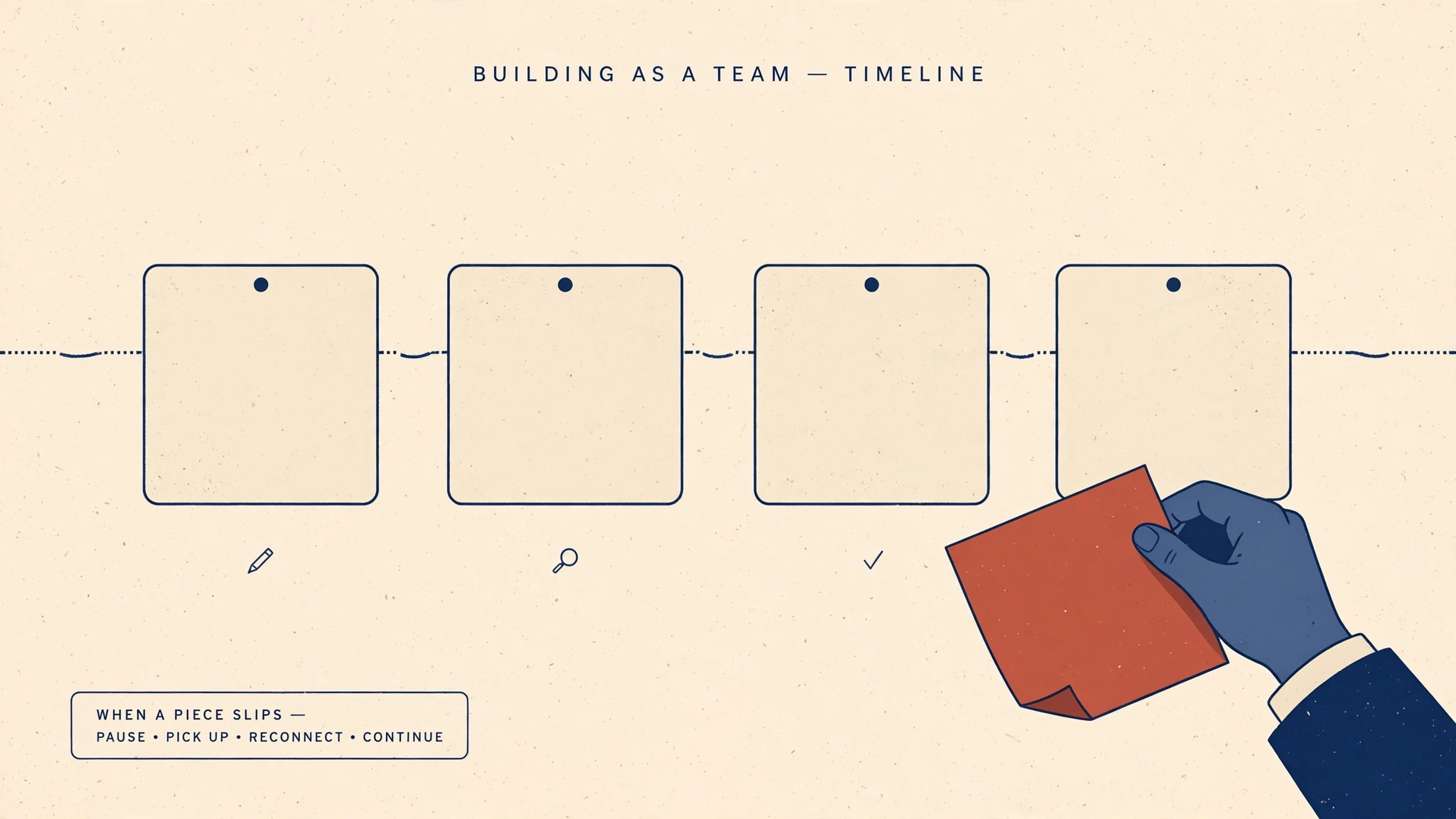
After the Miss: A 20-Minute Team Review of a Broken Commitment
A commitment was missed. The team knows it. The question is what happens next. In many teams, either nothing happens, because raising it feels awkward, or th...

Fix the Leadership Team Meeting: From Status Updates to Decisions
Think of the last leadership team meeting you attended. How much of it was people reading updates that could have been an email? How many decisions left the ...

The Handoff Agreement: What to Specify When Work Moves Between Teams
Work rarely fails in the middle of a team. It fails at the edges, where one group finishes its part and another is supposed to pick it up. The sender thinks ...

Why Priorities Keep Resurfacing, and How to Close a Decision So It Stays Closed
There is a topic on your leadership agenda that you have discussed more than once. Everyone in the room remembers the conversation. Nobody remembers the conc...

What Your Leadership Calendar Says About Your Culture
If you want to know what a leader values, look at the calendar before the mission statement. Hours are scarce, and where they go shows what actually gets att...

The Exception That Becomes the Rule: What Happens When Leaders Tolerate Workarounds
Every team has a person who gets results by going around the process. They skip the approval step, contact the executive directly, or start work before the d...
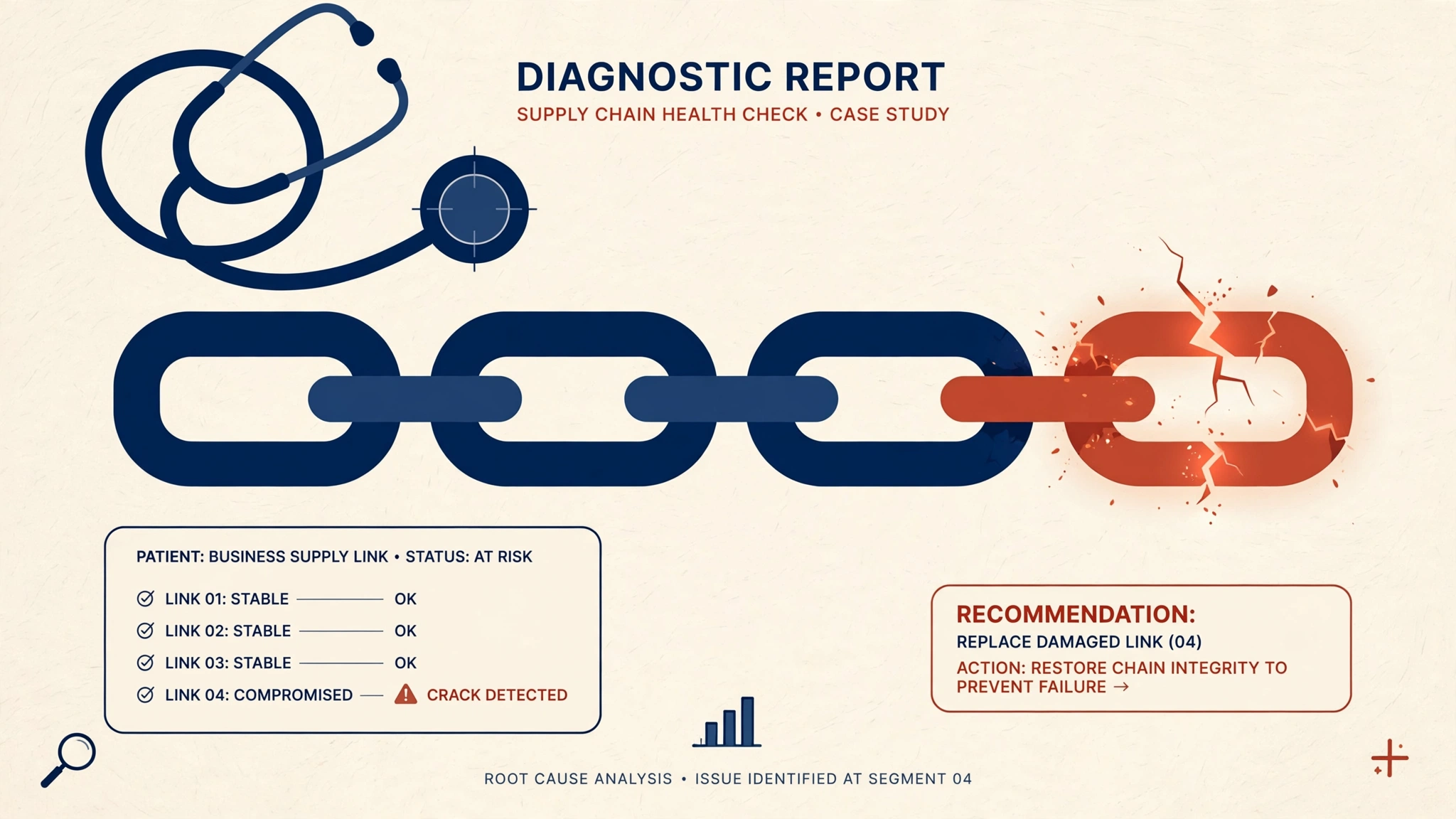
Which C Is Weak? Matching Execution Symptoms to Clarity, Choices, Commitment, or Cadence
Leaders rarely start with "our Cadence is weak." They start with a symptom: deadlines keep slipping, the same issue returns to the agenda, two teams build co...

Cadence Is More Than a Meeting: Review, Coaching, Recognition, and Correction
Most teams have a weekly meeting. Fewer have a cadence. A meeting is an event on the calendar. A cadence is a repeating rhythm that keeps priorities, commitm...

Named Owners, Visible Commitments, Reliable Closure: Build a Commitments Log
Meetings produce agreements. Calendars fill with new meetings. A few weeks later, someone asks about an item from the earlier meeting and three people rememb...

Decision Deadlines and Escalation Paths: Design the Route Before the Stall
A decision that has no deadline is not postponed. It is abandoned slowly, in public. Meanwhile the people who need it keep working around the gap, and each o...

A Priority Is a Tradeoff: How to Write Clarity That Tells People What to Stop
Ask five people on a leadership team to name the top three priorities. If you get five different lists, the problem is rarely disagreement. More often the te...

What Do You Reinforce, Ignore, and Tolerate? A Four-Week Leader Audit
Your team does not learn your values from a slide. It learns them from what happens after someone behaves a certain way. A colleague raises a risk early and ...

From Values to Behaviors to Operating Mechanisms: Making Your Values Visible in Daily Work
Most organizations can recite their values. Fewer can say what those values look like on an ordinary Tuesday, in a budget review, a handoff between departmen...

The Four Cs of Culture OS: Clarity, Choices, Commitment, and Cadence
Most leadership teams do not lack ideas. They lack a dependable way to move an idea from a meeting into finished work. Priorities shift between Monday and Fr...

One Stalled Initiative, Three Questions: Priorities, Decision Rights, and Ownership
Every leadership team has one: an initiative that was approved, discussed in several meetings, and still has not landed. Status updates say "in progress." No...

Clarity, Consistency, and Consequences: Three Conditions for Team Execution
A team can agree on a priority in a meeting and still miss it a month later. Leaders often respond by restating the goal more forcefully. Sometimes that is t...